Call for Papers for the 2027 Textile History Forum
July 30th, 31st, August 1st, 2027Marshfield, Vermont Here is a great opportunity to share your current research! We are looking for papers and presentations for the next Textile History Forum. The Textile History Forum is seeking papers, presentations, and works in progress on any aspect of textile research currently being done including any aspect of textile history, textile tools, textile process, and textile design from prehistory to present day. The Textile History Forum is an informal but intense weekend of papers, demonstrations, and works-in-progress open to anyone interested and enthusiastic about textiles, textile tools, the traditional textile process, fabric history, and material culture. Presenters from all areas of textile interests are encouraged to share their research; no formal academic credentials are necessary. Paper Presentations: Written papers are published in our Proceedings, an unedited, spiral bound publication available at the beginning of the Forum and given to all participants as part of the Forum’s philosophy that discussion and active participation with others is the best way to explore our interests and further our research. We encourage anyone to submit a short abstract of one or two paragraphs with the stated topic, for review by January 15th, 2027. Authors retain the copyright of their papers and are free to publish elsewhere. Once abstracts are approved, papers and details of presentations are due May 15th 2027. Works-In-Progress: If you do not wish to submit a paper, Works-in-Progress and non-paper presentations are also included in the Proceedings as short descriptions of research that is nascent in hopes gaining feedback and information through the Forums collaborative atmosphere. In the past the Forum has included papers about prehistoric footwear, contemporary fashion designers, historic dye analysis, ingrain carpet factories, Coverlet Weavers of Ohio, Rose Blankets, Glove making, Knitting traditions, Weaving in Ecuador on traditional card looms, Quilts, Reed making, Corsets and Undergarments, White Work, textile tools, labor in early mills, textile production in Lowell, and much more. S. Rabbit Goody began the Textile History Forum in response to the Dublin Seminar on New England Culture, in the late 1990’s. It has met every two years since, and published papers in the Proceedings, which is available to participants, libraries and by purchase to the public. The intent of the Forum is to encourage new voices to share their research in a scholarly but non-academic setting. At this upcoming Forum, we especially encourage those who have been doing research in traditional hand process to share what they know so that traditions are not lost. We learn more from each other and we learn the most over a good lunch! Please think about presenting a paper or works-in-progress at the Textile History Forum at the Weaver’s Croft! Please think about presenting a paper or works-in-progress at the Textile History Forum at the Weaver’s Croft July 30th through August 1st, 2027. Abstracts and submissions should be sent to: S. Rabbit GoodyThistle Hill Weavers101 Chestnut Ridge Rd Cherry Valley NY 13320 or Emailed to: rabbitgoodythw@gmail.com Phone 518.284.2729
One Day Workshop at the Old School Wool and Weaving Center
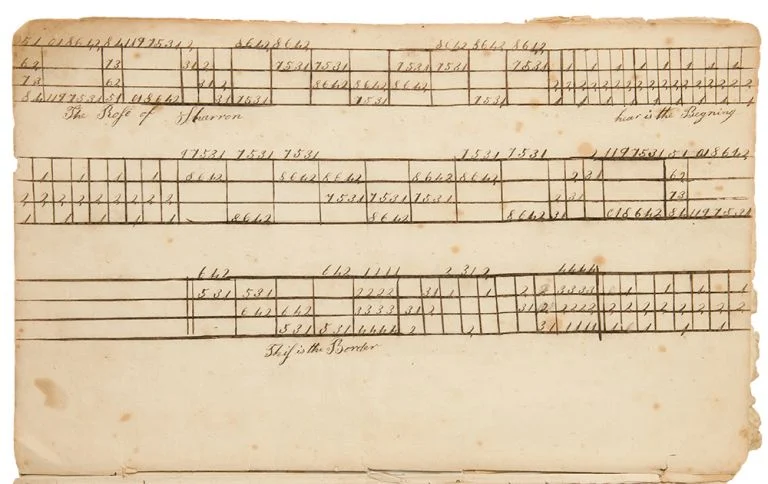
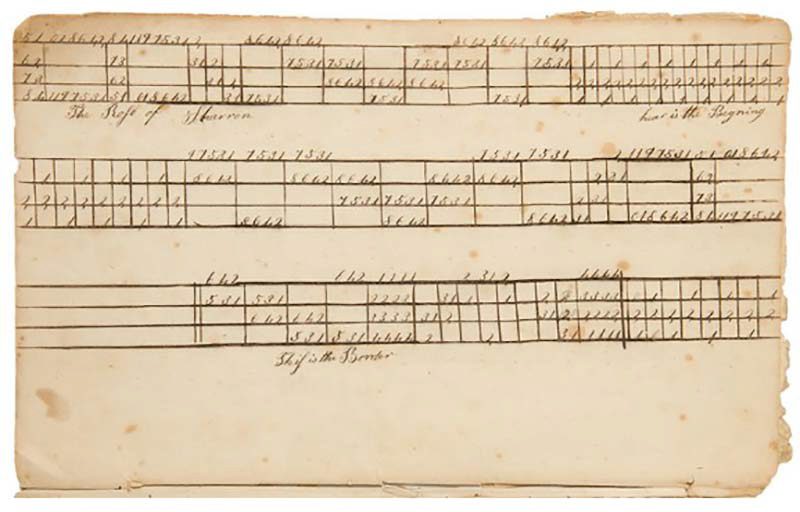
Saturday September 26th 9am to 4pm Unraveling the Shorthand of Weavers of the Past Join me at the Old School Wool and Weaving Center for a day of exploring weaving drafts from home and fancy weavers How do we know what families were weaving in their homes, or what professional weavers were producing in their trade shops? Much of that knowledge survives in the shorthand “recipes” we call weavers’ drafts—notes passed down through families, fragments tucked into drawers, manuscripts published in the 18th and 19th centuries, and later collections gathered by textile historians. In this short, hands‑on class, we will look closely at drafts recorded by family weavers as well as those written by trained professional weavers. Together, we’ll rewrite several drafts into modern notation and discuss the yarns and structures needed to reproduce these historic fabrics Space is Limited Cost is $125 and includes lunch The Old School Wool and Weaving Center is located at 130 County Road 13A, South Otselic, NY, Call Rabbit Goody at 518-852-5536 For more information
Welcome to our new website!
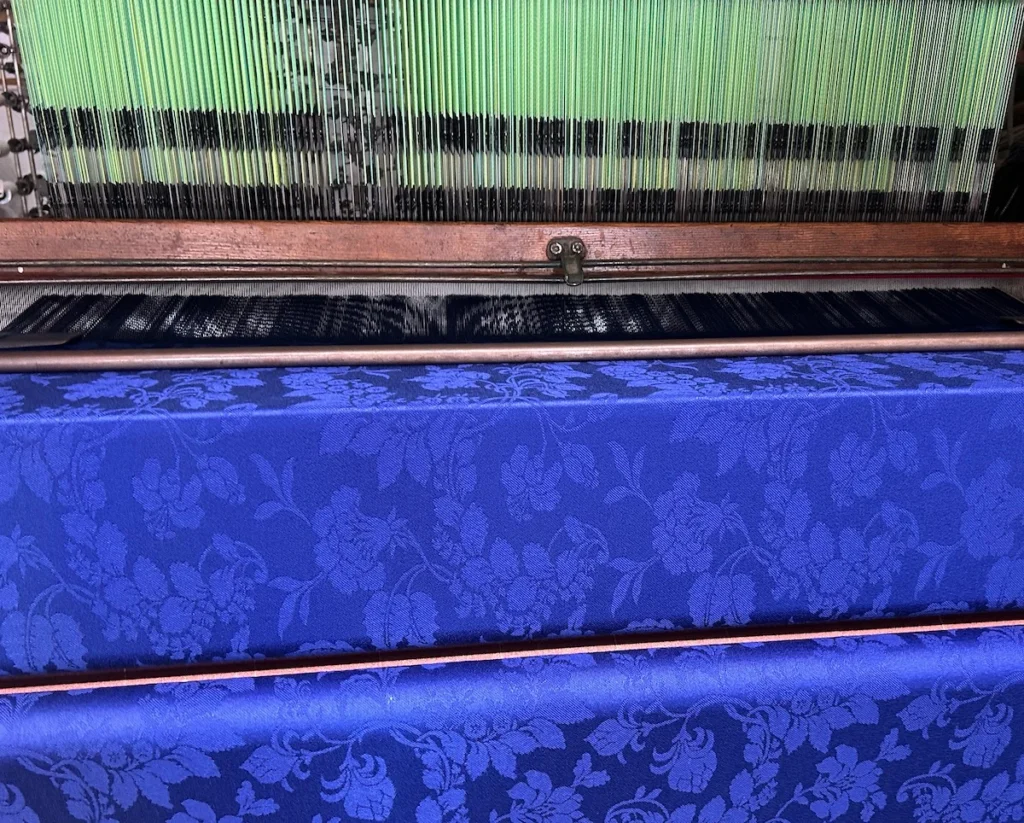
After a few months of redesigning, we are so happy our new website is up and running! We’ve been so busy with our new electronic jacquard head that we haven’t been in touch to tell you about our recent projects and workshops Upcoming Workshops June 20th and 21st at Historic Eastfield Village, Nassau NYEveryday Textiles, Spinning and Weaving in Rural New York. This is a hands-on workshop on identifying and dating historic everyday textiles, and a look at letters written by Hannah Hayden and her family about textile production in rural New York 1806 to 1823. Participants are encouraged to bring textiles for us to examine as part of the workshop. To sign up for this workshop or for more information at www.historiceastfield.org. July 11th and 12that Kilts Farm, Stone Arabia NYHandwoven Textiles from a Palatine German Collection Willis Barshied Jr. collected textiles from the Palatine German community around Stone Arabia NY during his lifetime. The collection has been stored at Kilts Farm. This workshop will examine many of the pieces in the collection and catalogue them on catalogit. We will also look at the textile equipment in the collection and compare the Palatine German styles to other styles found in upstate New York. more information at www.kiltsfarm.org. We have been working on bed hangings for many years but this year we have been doing several interesting ones.We wove and constructed Sir William Johnson’s bed hanging for Johnson Hall in Johnstown NY, and another bed in the upstairs chamber that was listed in Sir William’s inventory as “stuff” which translates to worsted wool, which in this case is an 18th century damask pattern designed by Anna Maria Garthwaite on October 21st 1751.Stay tuned for the final installation of George Clarke’s bed hanging at Hyde Hall, Cooperstown New York. Coming soon! We are delighted to be working on two National Park Service projects: The Longfellow House in Cambridge, Massachusetts, and Independence Hall in Philadelphia. We feel privileged to be asked to contribute to the window treatments of two great sites that mean so much to the story of American Independence.
Upcoming Workshops You Might Be Interested In
Upcoming workshops and classes in 2025
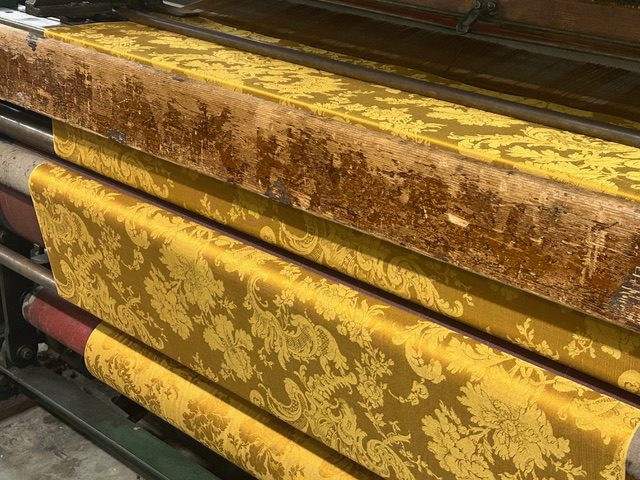
I rarely get the opportunity to write a newsy letter from Thistle Hill Weavers, but 2025 has found me at the computer in the office ready to get started on the New Year. I also hardly ever get to introduce the crew here at Thistle Hill Weavers: Raina Roe, Dan Myrick, Holly Oakley, Crystal Wack, Lisbeth Ruggeri, and Betty Muscarella. The crew here is really the heart and soul of Thistle Hill Weavers and although often less visible than I am, they are the weavers and finishers who get the job done. We have some interesting projects ahead of us this year in addition to the upholstery fabrics for our long time clients we are working on two projects for Hyde Hall – George Clarke’s bed hangings and Anne’s bed hangings and carpet. We are finishing up the silk damask for the Fulford House in Canada and some private client damasks for window treatments. I will be teaching a few workshops this year here at the mill, and at Kilts Farm in Stone Arabia, New York, and Historic Eastfield Village in Nassau, New York. But the BIG NEWS for those of you interested in textile history is this year’s Textile History Forum to be held August 1, 2 and 3 in Marshfield VT at Kate Smith’s Weavers Croft. We have invited Michael Nix from England to be our keynote speaker this year. Michael’s book on Norwich Textiles: A Global Study 1750 to 1840. is helpful to understanding the production of worsted cloths that were so much a part of the 18th and 19th century. Workshops and classes in 2025 Design and Drafting Patterns for HandweaversFebruary 15th and 16th9:30-4:00 This is class for hand weavers who want to understand weave structure and pattern formulas. This is not a weaving workshop, instead, we will be drafting patterns and weave structures on graph paper and computers. Understanding of how the intersection of threads work to form useful structures allows us to create our own patterns and textiles that serve both as beautiful fabrics but also meet our needs for drape and durability. The goal of this class is for students to be able to design their own patterns using weave formulas rather than printed drafts.. A bibliography will be sent ahead of the class. Lunch is included. Class is limited to six students. $125 Historic Textile Workshop: Reading Historic Weaver’s Drafts and Examining Historic TextilesMarch 22nd and 23rd This is a hands on work shop, a combination of reading and interpreting the weaving recipes left by fancy weavers and vernacular weavers and examining historic coverlets woven using these drafts. There are so many different short hand methods of recording threading and treadling patterns. We will look at styles that became the backbone of American hand weaving in the colonial revival and styles that are unusual. Lunch is included. Class is limited to 10 students. $125 Spin, Span, Spun at Historic Eastfield VillageJune 14th and 15th Spinning Straw into Gold or Spinning on traditional spinning wheels. Do you own a traditional spinning wheel? This workshop is geared to folks who are already familiar with spinning but want to improve their knowledge of traditional spinning techniques and the care of traditional wheels. Saturday we will work on treadle and flyer wheels (low wheels, flax wheels). We will get your spinning wheel running if it needs some work and we will break, and heckle flax and dress distaffs for spinning linen. Sunday we will work with walking wheels (great wheels, wool wheels) and spin wool and cotton. We will look at different accelerating heads that were available in the 19th century. Previous spinning knowledge is preferred as we will not have enough time to be able to teach beginning spinning. However, if you have a wheel but don’t know how it works and want to get your wheel in good condition please join us. This workshop will be held at Historic Eastfield Village, Nassau NY Bring Your Spinning Wheels – Opening Day at Kilts Farm, Stone Arabia, NYMAY 18th Calling all spinners, traditional and modern…come spin for the day at Kilts Farm. Join me and enjoy showing the public the variety of our wheels in motion.
We’re Having a Sale!
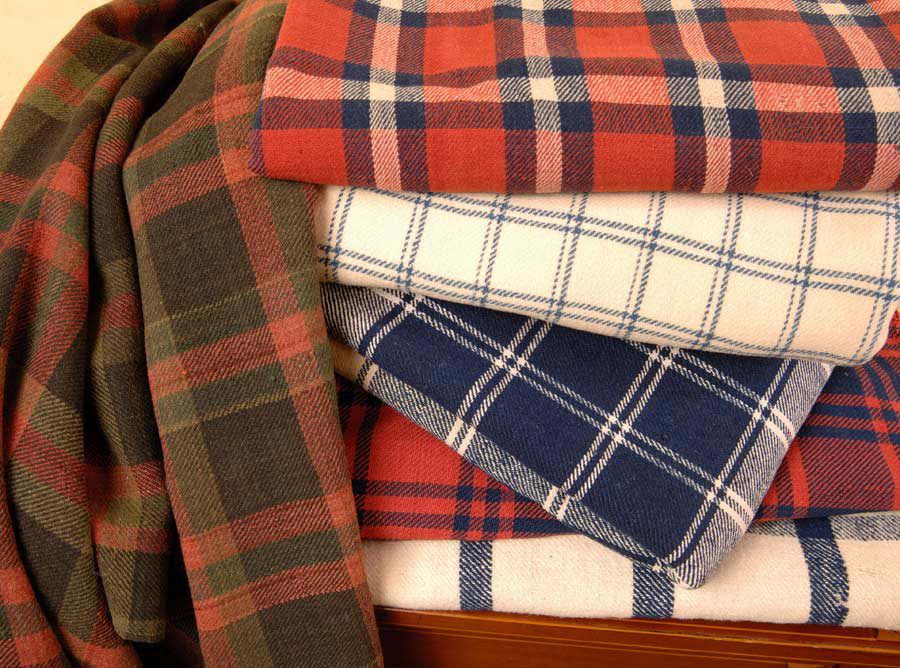
Thistle Hill Weavers Over Run Fabric, Carpet and Yarn Sale Save the date: Saturday, July 20, 9:30am to 4:30pm We are over stocked with our historic fabrics. Please help us out, we would like to clear off some shelves! We have our historic carpets, worsted and silk fabrics, some small pieces of fuzzy bling, all at discounted prices. We will also have yarn for sale. When we cannot use the ends of cones, or we are finished with a project we have boxes of yarn left over. Ready and waiting for for your creative talents! Upcoming Events June 22nd and 23rd: Dating and Identifying Historic Everyday Fabrics. Still a few spots left.Sanborn Mills Farm, Loudon New Hampshiresanbornmills.org July 13th and 14th: Timber Frame Loom Workshop. Help set up a barn frame loom at Kilts Farm and learn about styles and differences in looms in the 18th century.Kiltsfarm.org August 2nd,3rd, 4th: Textile Tool Technology: What makes a spinning wheel work and what happens when water power changes the method of production. Three day seminar with hands on textile tools and textiles.Eastfeld Village Nassau, New Yorkhistoriceastfield.org September 13th: Woven Clothing Fabrics in early 19th Century QuiltsAQSA ,Tarrytown NY.Americanquiltstudygroup.org September 28th: Bring a textile discovery day at Kilts Farm. Our version of Antiques Roadshow. We learn so much from the textiles that we have been passed down through the generations.Kiltsfarm.org October 4th: What were coverlet weavers also weaving? The other fabrics mentioned in weavers ads.Zoom lecture thru the coverlet study group.Contact Marty Schlabach: mls5@cornell.edu October 5th: The Gleich Lecture at the Arkell Museum and Library, Canajoharie NY.arkellmuseum.org November 3rd: Dating and Identifying Historic Textiles at Historic Deerfield, Worcester, MA. Lecture and Zoom. Bring a textile to identify.historic-deerfield.org December 7th and 8th:Open House here at Thistle Hill Weavers!
Reading the Past and Reproducing It: Weavers’ Drafts and Historic Everyday Fabrics
A Textile Day at Hyde Hall: Reading Weavers’ Drafts and Textile Identification
Join us for: Vernacular vs. Fancy: The Family Weaver and the Fancy Weaver in the Rural Northeast AND What’s in Your Closet?
August 4-6 (3 days) – Limit: 25 students The $225 fee for this class is due upon arrival at the beginning of the weekend. This is not a free class. Family vernacular textile production occurred side by side with fancy weaving in most rural areas of New York, New England and Pennsylvania between the late 18th century and the mid 19th century. We will use surviving textiles as examples to unravel the relationship between vernacular textile production, and the fancy weaver from 1780 to 1860. Fancy weavers, also called trade or professional weavers, and family weavers were often working in the same rural areas between 1780 and 1860. The session will begin with an examination of the types of textiles produced by farm families as everyday utilitarian fabrics as contrasted with the coverlets and carpets and other complex textiles produced by the fancy weavers. Surviving textiles, advertisements, journals and inventories will be used to illustrate the products of each group and the relationship between families that wove themselves but also used the fancy weaver for fabrics that they could not produce. We will also look at the introduction of local waterpower for carding, spinning, and finishing, that helped both home cloth production and the fancy weaver. The class will examine historic textiles from the collections of Rabbit Goody, Eastfield Village, and participants. Participants are encouraged to bring textiles for us to puzzle over, both plain and fancy. This three-day workshop runs Friday August 4th, Saturday August 5th and Sunday August 6th. 9:30 to 4pm. Lunch included.Register for the class at Historic EastfieldContact Rabbit Goody at Thistle Hill Weavers for more information.Email: rabbitgoodythw@gmail.comCell phone: 518.852.5536
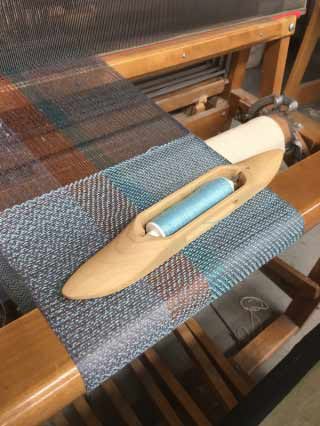
Join us for a weekend of textile tool exploration at Kilts Farm
